01
Start with what the video is for
Before we film, we agree who it's for and what it should lead them to do. Everything after is cut to that.
We're a small Melbourne crew. We start with what the video is for, film people in their own words, and plan where it goes next.
Here's what we do about each one, and the films further down show the result.
Before we film, we agree who it's for and what it should lead them to do. Everything after is cut to that.
Consent and releases are sorted before we film, the crew stays small, and nobody is handed a script.
Films come in wide and square-ish social formats, with captions. Photography can be included as a still library, so one day on location keeps working.
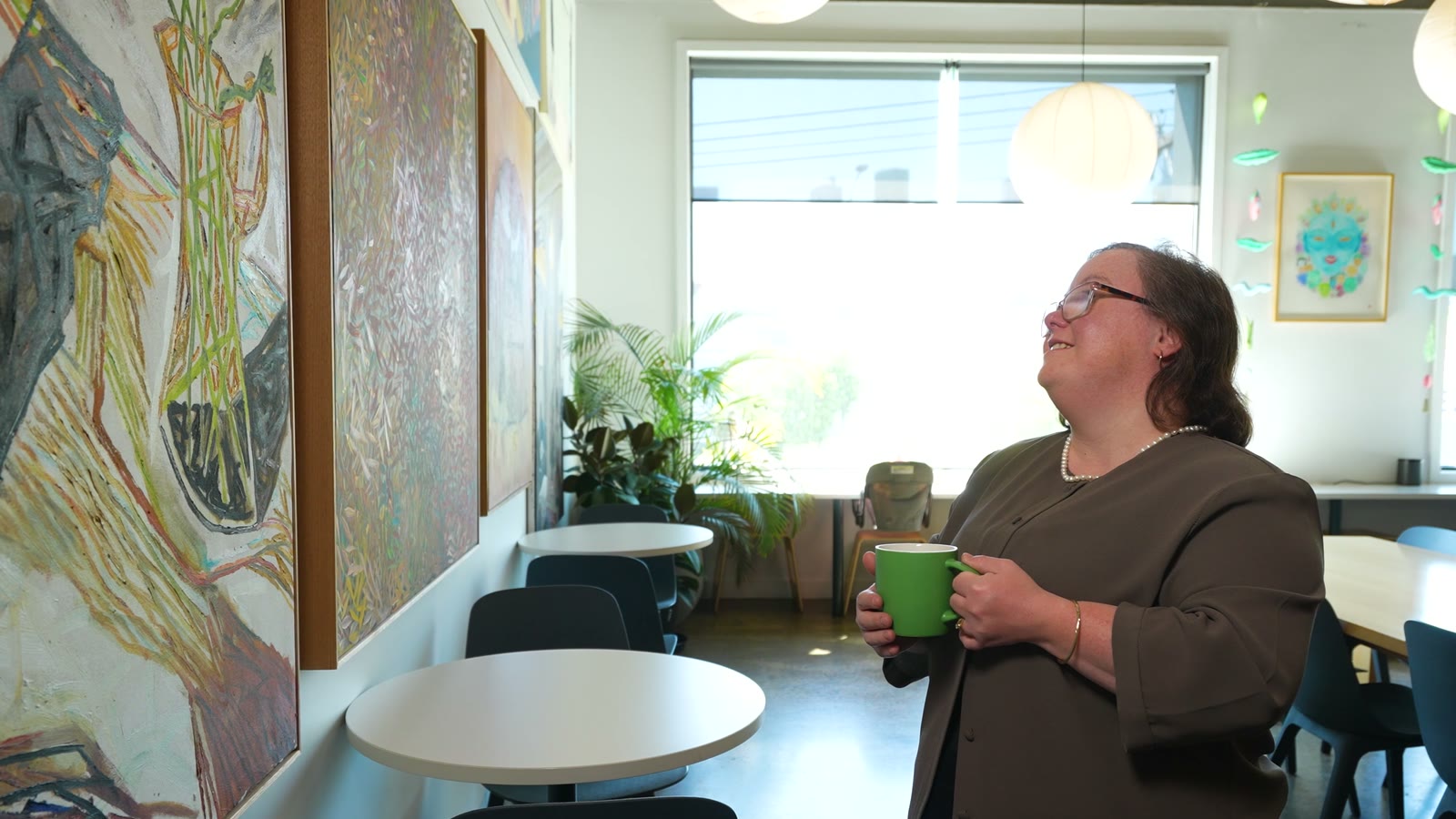
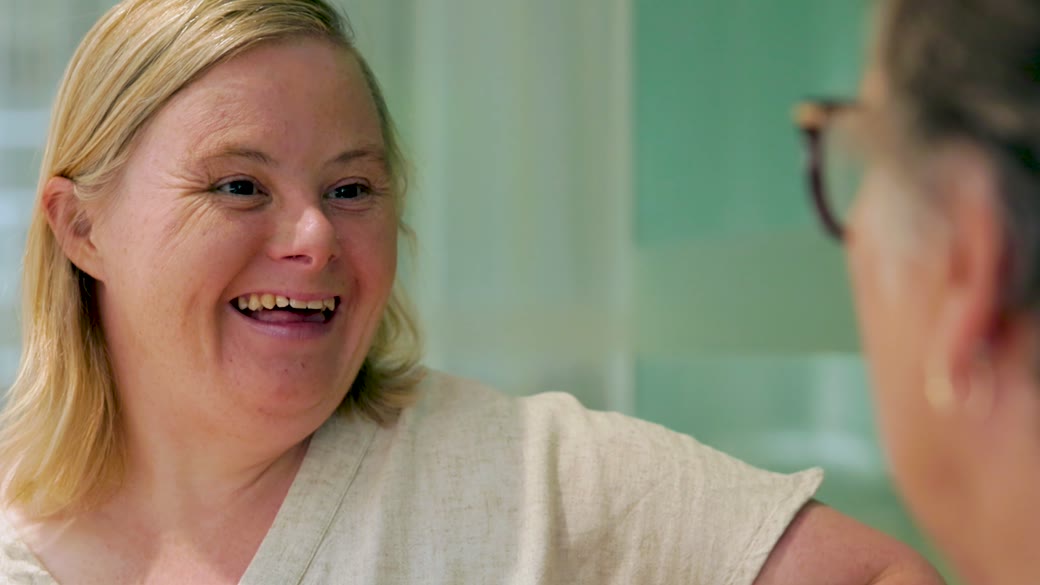
Supported by the nib foundation, it sits beside DSA's Ageing Well resources. Health ambassadors with Down syndrome, a doctor and family speak in their own words.
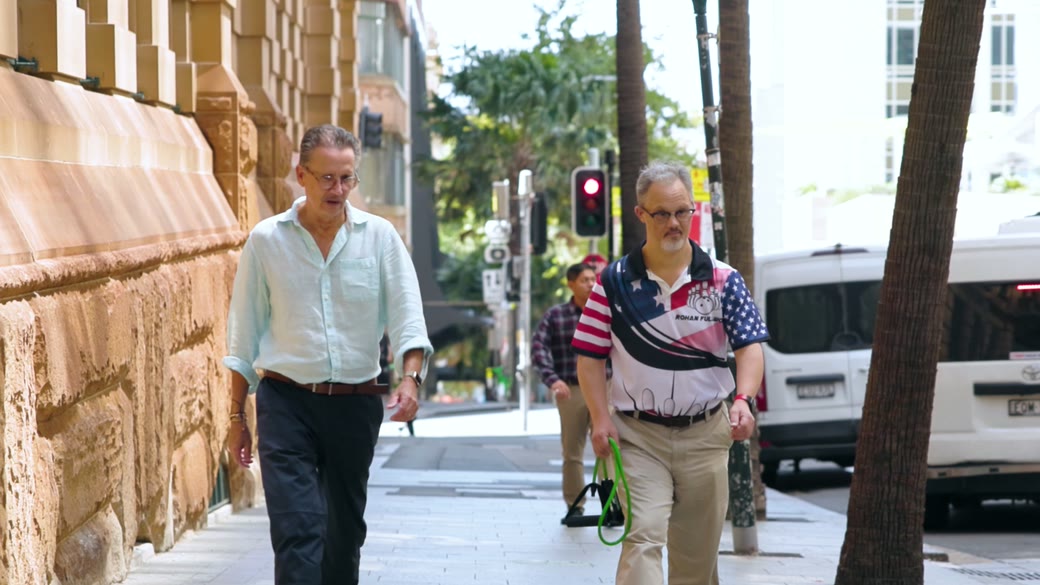
The interviews are theirs. Around them are ordinary moments: a walk, a coffee, planning ahead together.
Alongside this film, we've made DSA's campaign refresh, training videos for employers, employment stories and World Down Syndrome Day coverage.
All the footage on this page is real and from published films. The three how-it-works loops are AI illustrations, labelled as such.
 Down Syndrome Australia
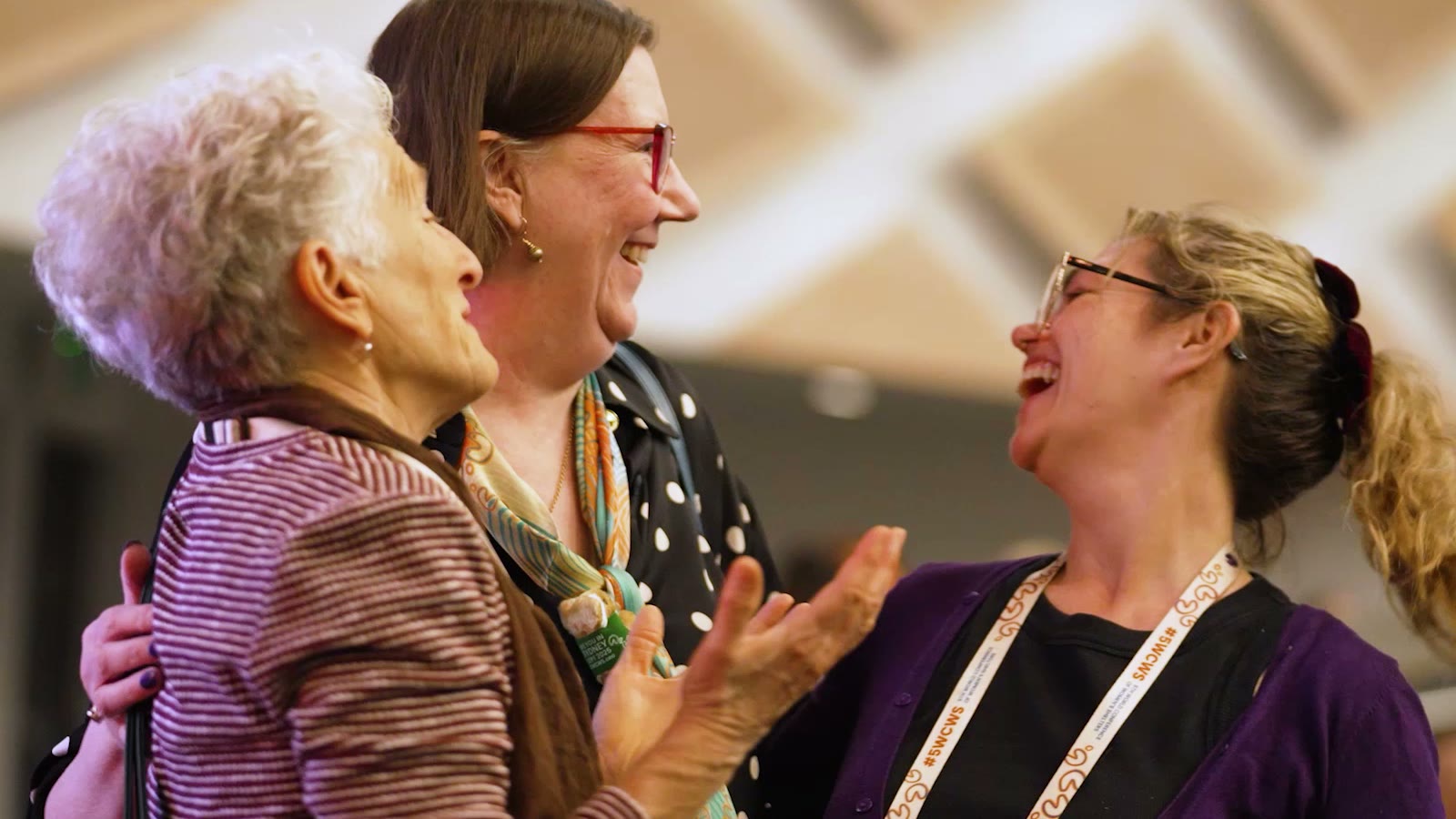
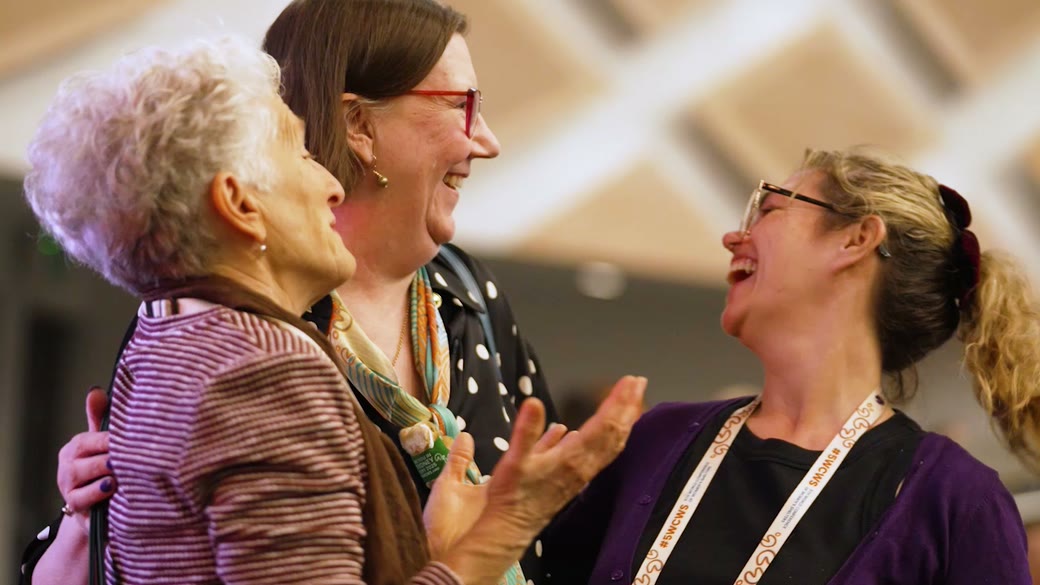 5th World Conference of Women's Shelters
 Down Syndrome Australia
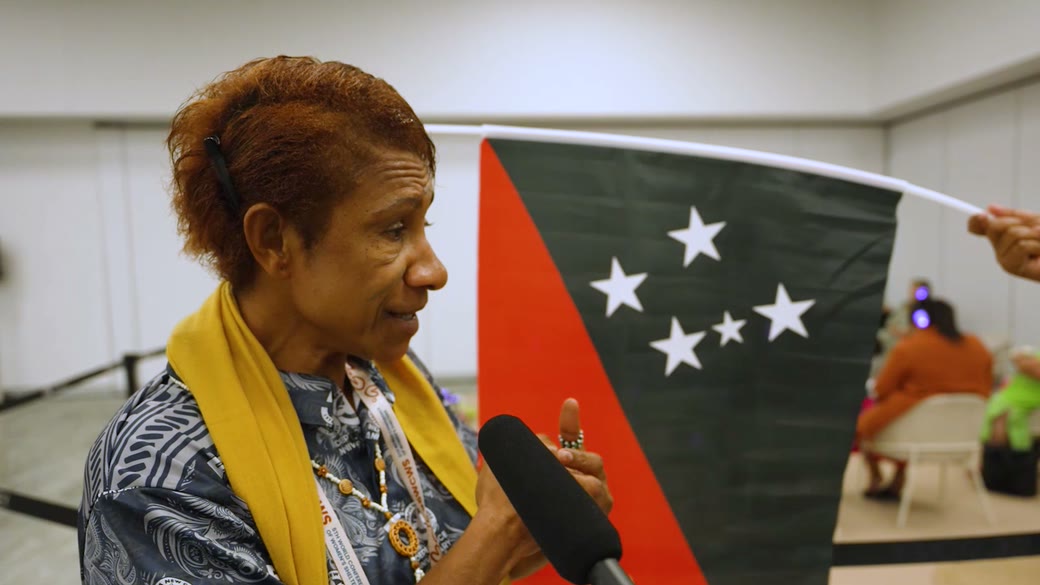 5WCWS, Sydney
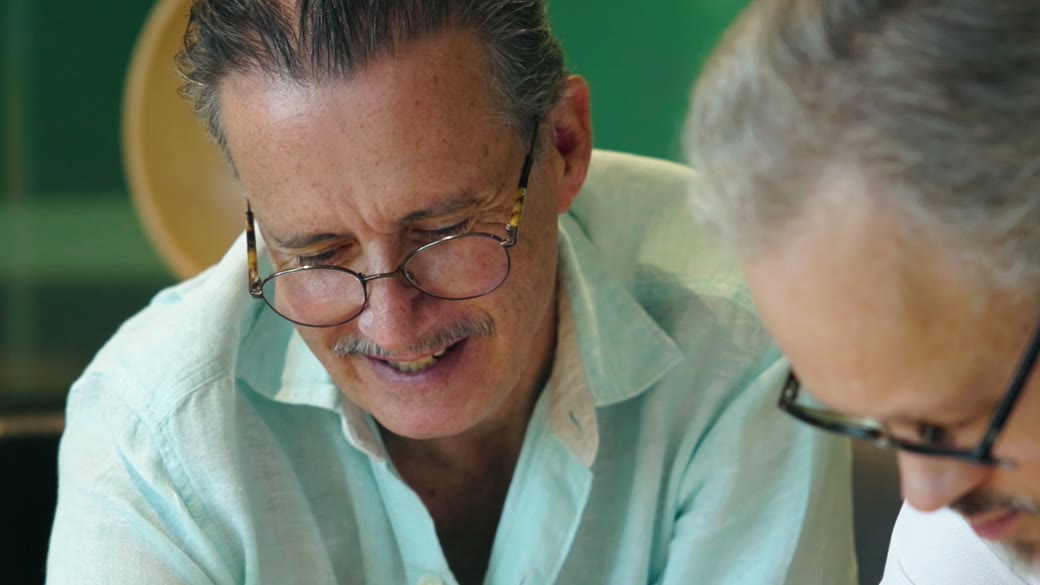 Down Syndrome Australia
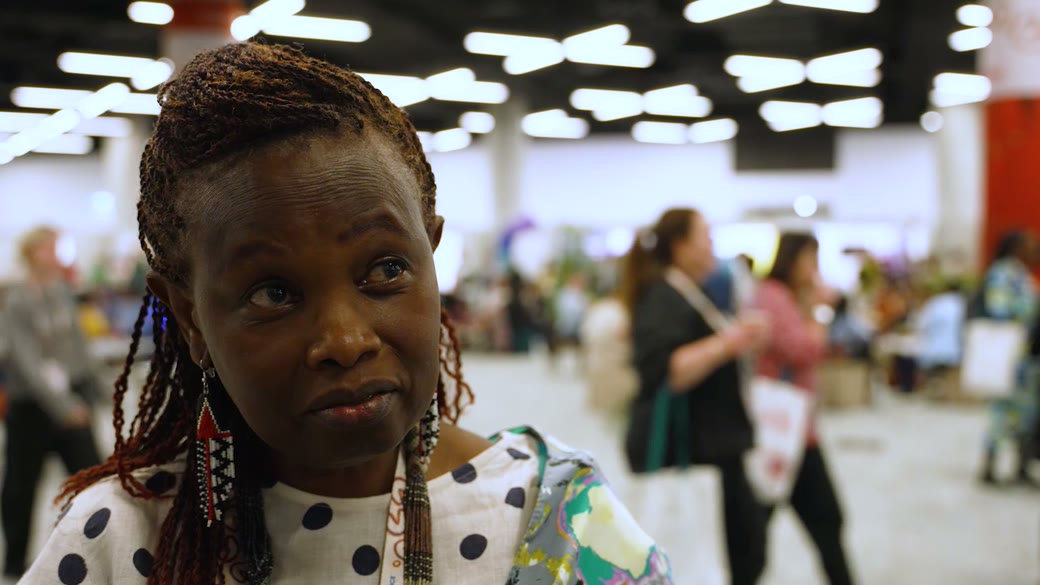 5WCWS delegates
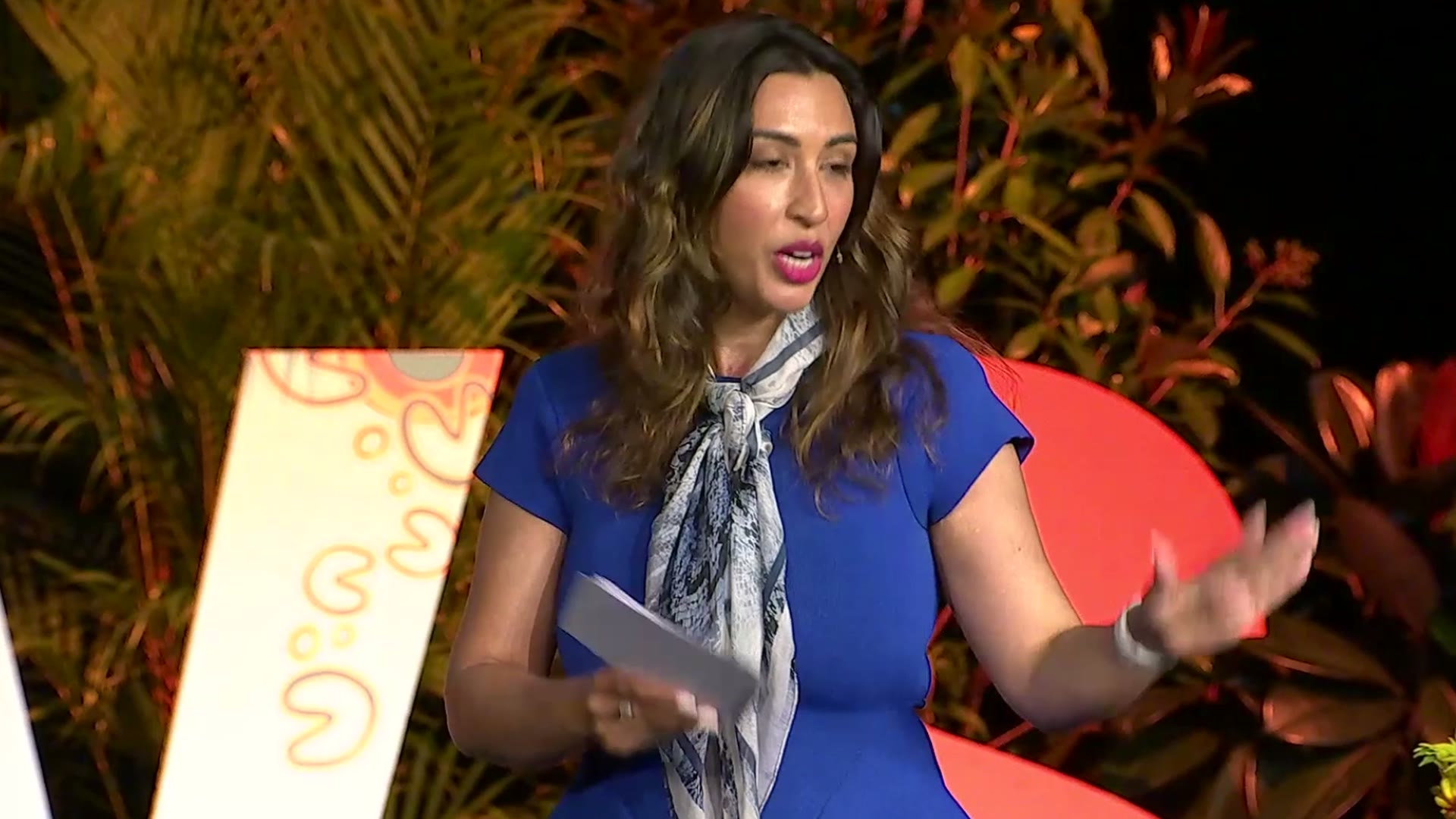
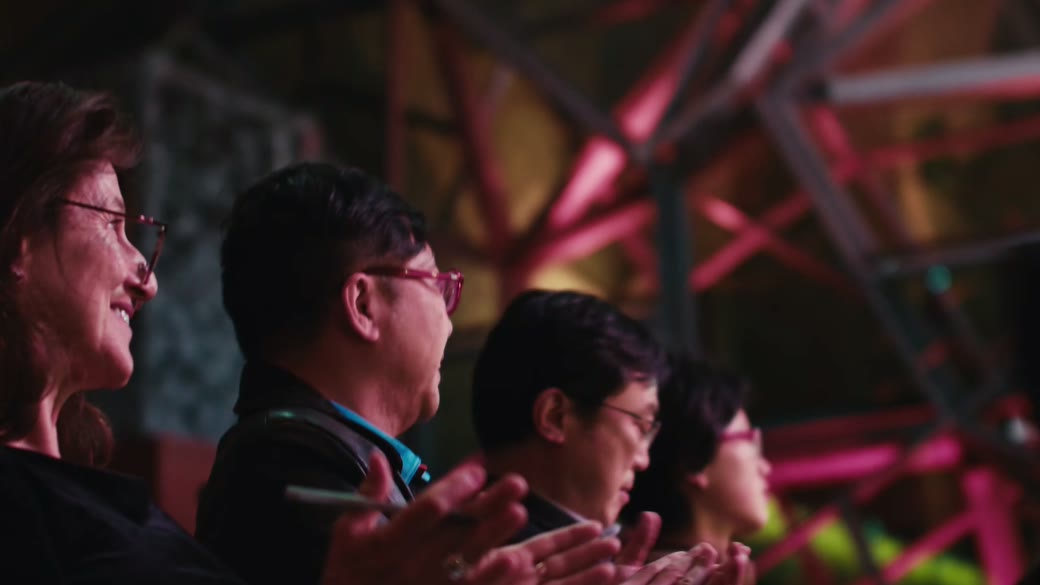 TEDxMelbourne 2025
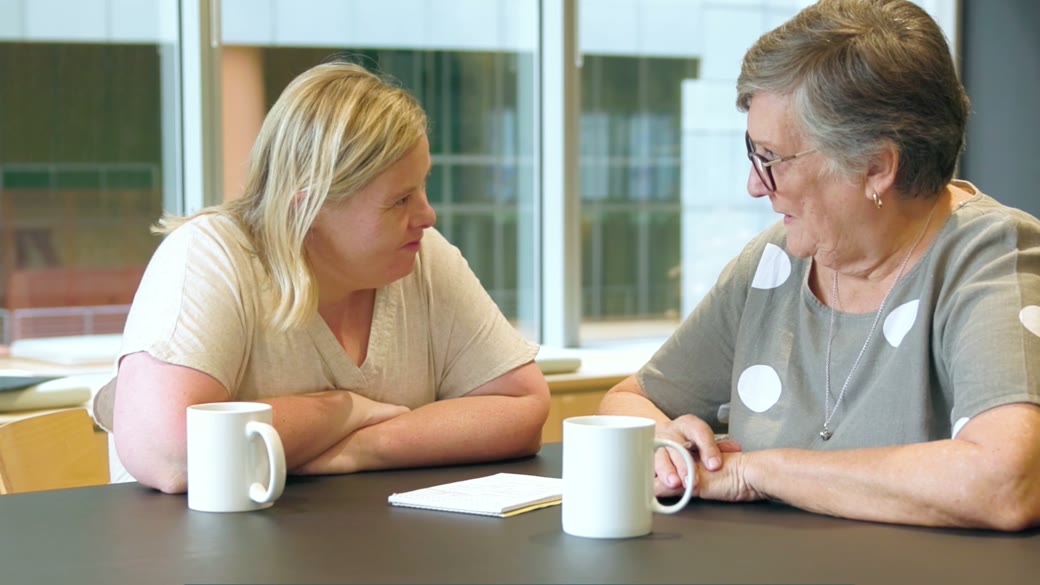 Down Syndrome Australia
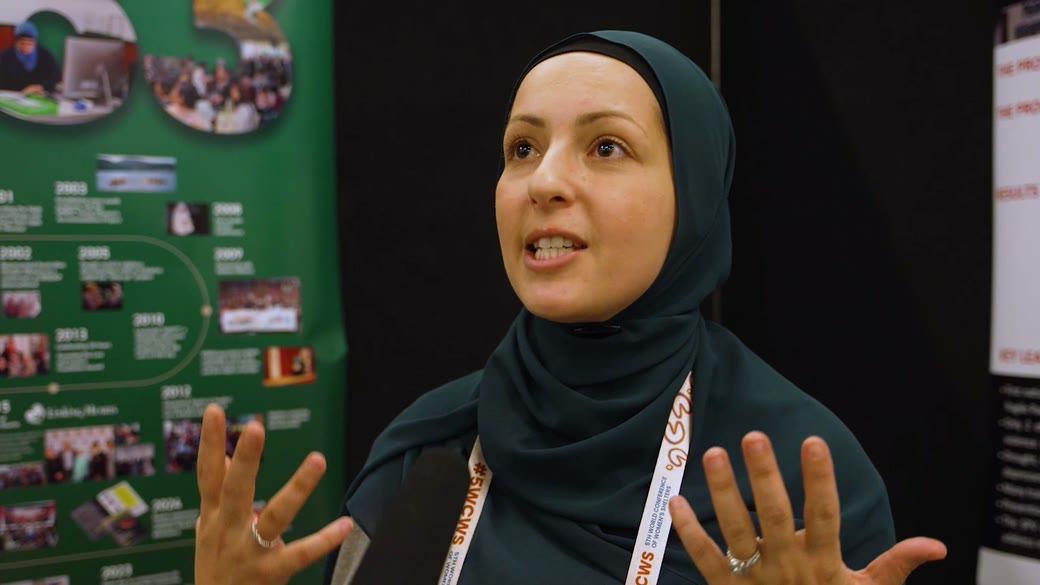 5WCWS, Sydney
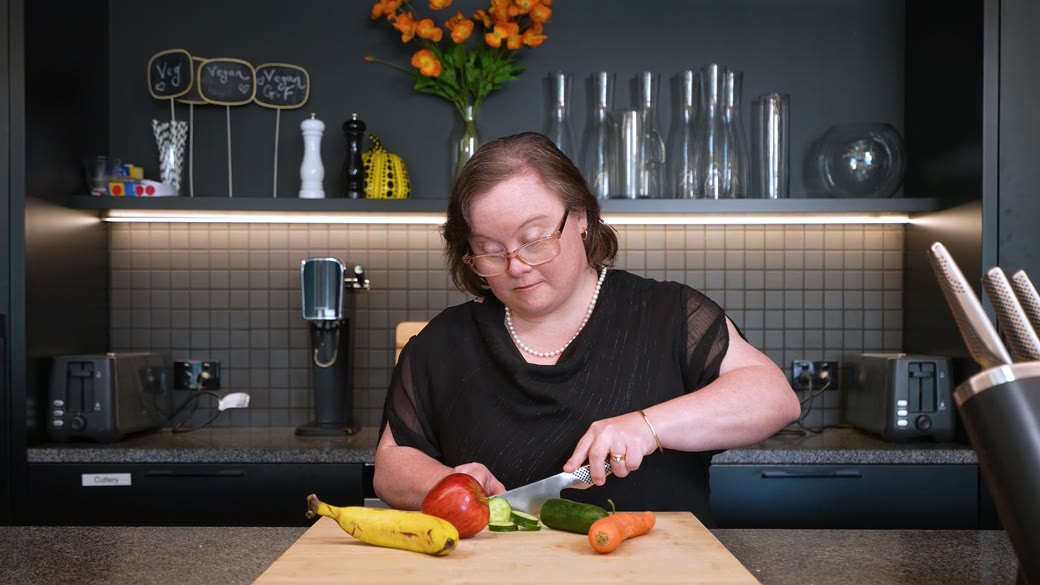 Down Syndrome Australia
They're professional, knowledgeable and reliable, and genuinely kind, caring people to work with.
He and the team remained professional and respectful at all times throughout the Conference.
What's the video for, who's it for, and what should it make them do? We settle that with you before anyone picks up a camera.
A small crew films on location. Consent and releases are in place first, and the people on camera speak for themselves.
We cut for the places you'll use it: wide for the website, square-ish for social, with captions, and stills if you want them.
Some straight answers, so the call can be about your organisation and what you need.
Arek Rainczuk plans and photographs, Sam Young films, Nick Varley edits. Freelancers join for particular projects.
Yes. The films below are public, so you can watch them before we speak.
Tell us on the call. We'll say honestly what's possible at your budget, and if it isn't enough, we'll say that too.
A conversation with Arek about what you need the video to do. If we're not the right fit, he'll say so.
Book a free strategy call with Arek. We'll talk about what the video is for and who it's for. If it's not the right time, no worries.